What to know about memorial flowers and Havering council rules
Posted on 12/10/2026
Choosing memorial flowers sounds simple until you are the one arranging them. Then the questions start arriving all at once: where can they be placed, how long can they stay, what does the council allow, and how do you keep things respectful without creating extra hassle for the family? If you are looking into What to know about memorial flowers and Havering council rules, you are probably trying to do the right thing at a difficult time. Fair enough. That is exactly what this guide is here for.
In Havering, memorial flowers are usually about more than appearance. They are a quiet sign of love, grief, and remembrance, but they also sit within local rules around cemeteries, crematoriums, open spaces, and maintenance. Those rules matter because they help keep memorial areas tidy, safe, and fair for everyone. Below, you will find a practical breakdown of how it all works, what to check before placing flowers, which mistakes cause problems, and how to choose arrangements that are thoughtful and appropriate.
Quick takeaway: the safest approach is always to check the specific site rules first, choose flowers that are suitable for the setting, and keep memorial displays neat, secure, and easy for council teams to maintain.

Table of Contents
- Why memorial flowers and Havering council rules matter
- How memorial flowers and council rules work in practice
- Key benefits and practical advantages
- Who this is for and when it makes sense
- Step-by-step guidance
- Expert tips for better results
- Common mistakes to avoid
- Tools, resources and recommendations
- Law, compliance, standards, or best practice
- Options, methods, or comparison table
- Case study or real-world example
- Practical checklist
- Conclusion
- Frequently asked questions
Why memorial flowers and Havering council rules matter
Memorial flowers are personal, but the places where they are left are usually public or semi-public spaces with clear responsibilities attached. A grave in a cemetery, a tribute area at a crematorium, or a flowered memorial bench in a park all have different expectations. That is the first thing people sometimes miss. One size does not fit every location.
Havering council rules matter because councils have to balance remembrance with safety, access, grounds maintenance, and fairness. A large floral tribute that looks beautiful on day one can become difficult to manage after rain, wind, or a busy weekend of visitors. Bits of ribbon can blow about. Loose containers can tip. Artificial items may not be suitable in some areas. It is rarely about being unfriendly. More often, it is about keeping memorial spaces dignified and workable for everyone.
There is also an emotional side to this. Families often want to leave something lasting, and that instinct is completely understandable. The challenge is making sure the tribute fits the rules of the site, especially if the flowers are being delivered to a cemetery or placed around a burial plot. A well-chosen arrangement can stay in place without causing upset later, which is one less thing to worry about when you already have enough on your mind.
And let's face it, nobody wants a phone call telling them a tribute had to be moved because it was in the wrong place. That sort of thing can feel avoidable, because it usually is.
How memorial flowers and council rules work in practice
In practical terms, memorial flower arrangements usually fall into one of a few categories: grave tributes, crematorium tributes, chapel or service flowers, and flowers left at public memorials. Each setting can have its own limits on size, materials, and how long items may remain in place. The exact details can vary, so the most sensible approach is to treat each site separately rather than assume the same rule applies everywhere in Havering.
Most councils want memorial flowers to be neat, secure, and non-obstructive. That typically means no blocking paths, no items that interfere with maintenance, and no displays that could become unsafe in bad weather. If a site has designated tribute areas, those are often the best place to leave flowers. If not, you may need permission, or you may be asked to keep to a specific graveside or memorial plot.
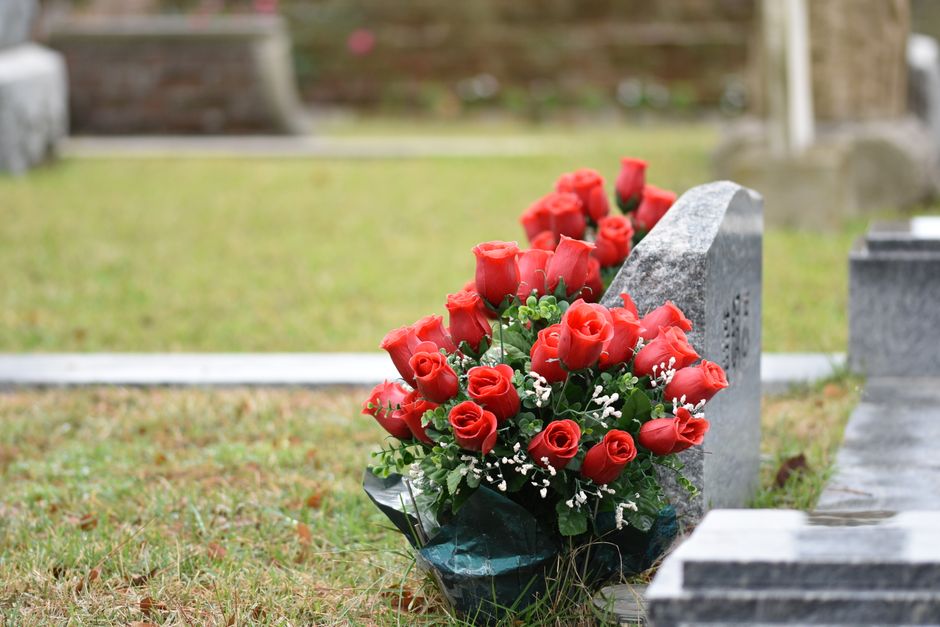
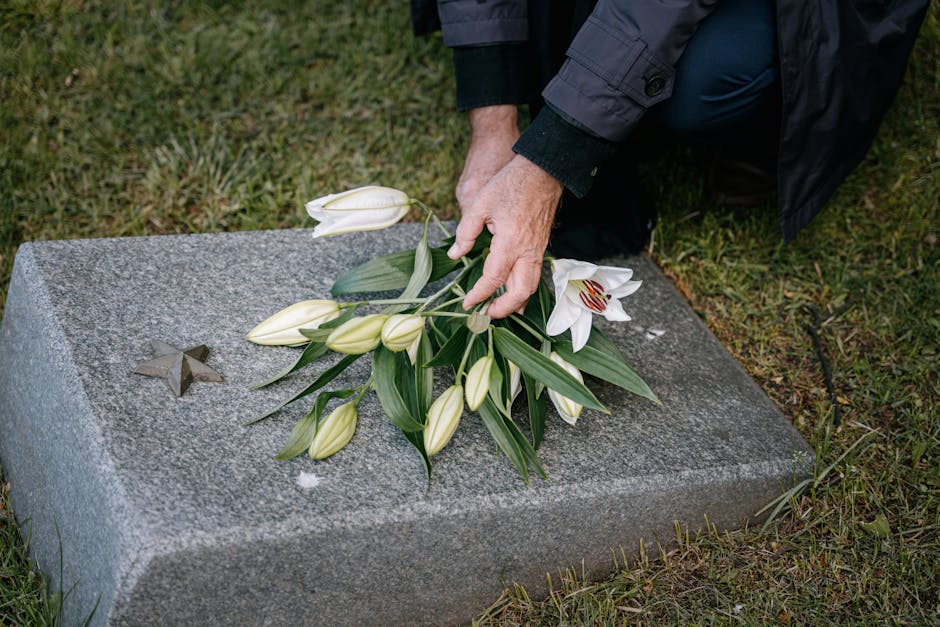
For burial sites, fresh flowers are often the simplest option because they look respectful and age naturally. For example, a low posy, spray, wreath, or basket can work well if it is sized to the plot. Large stands or heavily decorated pieces can be harder to manage, especially in windy weather. On a damp November morning, the last thing anyone needs is a tribute blowing sideways across a path. It sounds small, but it matters.
Some sites also have rules on containers. Loose glass vases, unstable pots, and breakable decorations may not be allowed. Safer alternatives are usually robust holders, fixed containers, or arrangements designed for grave use. If you are ordering from a florist, it helps to ask whether the tribute is suited to cemetery conditions. That one question can save a lot of trouble later.
For families who want a fuller memorial display, floral tributes from a local florist can be tailored to the setting. You might choose something traditional such as a wreath, or something more personal like a letter tribute or name tribute. If you are arranging flowers for a funeral rather than a grave visit, the style can be broader. A funeral tribute does not have to follow the same long-term durability rules as a cemetery display. That distinction is easy to overlook.
Key benefits and practical advantages
Following Havering council guidance on memorial flowers is not just about avoiding complaints. Done properly, it creates a calmer, more respectful experience for everyone involved.
- Less stress for families: you know the tribute is suitable for the site, which removes guesswork.
- Better presentation: a flower arrangement sized for the location tends to look more elegant and balanced.
- Fewer maintenance issues: secure, appropriate tributes are less likely to be moved or cleared.
- More lasting respect: a carefully chosen arrangement can remain tidy for longer, even in changeable weather.
- Safer memorial spaces: well-placed flowers do not obstruct pathways or create hazards.
There is also a quiet practical benefit that people often appreciate only later: a good memorial arrangement reduces repeated decision-making. You do not keep wondering whether something is too large, too bright, too fragile, or too short-lived. You have made the choice once, and it feels right.
If you are comparing tribute styles, it can help to start with the setting first and the flower type second. That sounds obvious, but in real life many people start with the prettiest bouquet and work backwards. Better to reverse the process. Site first, sentiment second, design third. It works.
Who this is for and when it makes sense
This topic is relevant to quite a few people, not just one type of customer. If you are arranging a funeral, visiting a grave, managing family memorial duties, or ordering flowers on behalf of someone else, the same basic question comes up: what is appropriate here?
You may need this guidance if you are:
- choosing flowers for a burial plot in Havering
- arranging a funeral tribute and want it to suit a cemetery or crematorium setting
- ordering on behalf of an older relative who cannot visit regularly
- planning a remembrance gesture for an anniversary, birthday, or significant date
- trying to understand what the council may allow to remain in place
- looking for a dignified alternative to a large or temporary floral display
It also makes sense if you are simply being careful. Many people want to avoid assumptions, and that is wise. A florist may understand flower style very well, but local site rules are still worth checking. The person who tends the memorial area may have different needs from the person choosing the flowers, and both perspectives matter.
Truth be told, this is the sort of thing people only learn once. After that, they tend to ask the right questions earlier. That is a good thing.
Step-by-step guidance
If you want the process to be smooth, use a simple sequence. It keeps emotion and logistics in the same room without letting either one take over.
- Identify the exact location. Is it a burial plot, crematorium memorial, public memorial, or another remembrance space in Havering?
- Check the local rules for that site. Some places allow floral tributes for a period of time after a service; others have stricter limits or designated areas only.
- Decide how long the flowers need to last. A funeral tribute and a graveside tribute do not have the same purpose.
- Choose the most suitable format. Wreaths, sprays, posies, baskets, letter tributes, and cross tributes all suit different situations.
- Think about materials. Fresh flowers, foam-free designs, and secure containers are often more practical outdoors.
- Ask for delivery details. Make sure the florist knows the site, time window, and any instructions about placement.
- Check for any restrictions on cards, ribbons, or wording. This is a small detail, but sometimes the wording is the most personal part.
- Review maintenance needs. If flowers are likely to remain for a while, choose something tidy as it fades rather than something that collapses quickly.
A simple example: if a family wants flowers left at a graveside in late autumn, a low, secure arrangement in sturdy packaging is usually more sensible than something tall or extremely delicate. The flowers still feel heartfelt, but they also cope better with rain and wind. In our experience, that small bit of practicality goes a long way.
Expert tips for better results
A few details can make a memorial tribute feel much more considered. None of them are flashy. That is kind of the point.
1. Keep the scale appropriate. A tribute that is too large can overpower a small plot or create access issues. A smaller, balanced arrangement often looks more refined.
2. Match the flower choice to the message. White flowers often suggest peace, pink can feel gentle and affectionate, red may feel more deeply personal or love-focused, and mixed colours can suit a celebration of life. There is no universal rule, but tone matters.
3. Use clear, legible cards or ribbons. If the message is part of the tribute, make sure it can be read easily. Tiny handwriting on a damp day is nobody's friend.
4. Ask for weather-friendly design where needed. For outdoor memorials, secure bases and sturdy stems can make a real difference.
5. Keep the tribute easy to maintain. If it is likely to stay in place for more than a few days, choose flowers and packaging that age neatly.
6. Be careful with extras. Toys, glass, heavy ornaments, and loose decorative items may not be suitable in some locations. Lovely in principle, awkward in practice.
One more thing: if you are unsure, say so. A good florist will not mind being asked to help match the arrangement to the site. It is a normal request, not a fussy one.
Common mistakes to avoid
Most problems with memorial flowers are avoidable. They usually come from rushing, guessing, or assuming the same rule applies everywhere. A few common pitfalls stand out.
- Not checking the site rules first: this is the big one. Different cemeteries and memorial areas may have different expectations.
- Choosing an oversized tribute: beautiful flowers can still be the wrong fit if they block access or look out of place.
- Using fragile containers outdoors: glass and lightweight decorative items can become hazards or simply fail in poor weather.
- Leaving flowers in restricted areas: if a memorial has marked spaces, respect them. It keeps the area orderly.
- Ignoring how flowers will age: some arrangements look lovely for a day but collapse quickly after that.
- Not telling the florist the location: without that detail, the arrangement may be designed for a service table rather than a graveside.
- Forgetting family preferences: especially with memorial items, symbolism matters. What feels right to one family may not suit another.
A slightly awkward but common situation is when someone buys a bright, full seasonal bouquet because it looks lovely in the shop, then realises it is not suited to a memorial space. No disaster, just a mismatch. Still, better avoided.
Tools, resources and recommendations
You do not need specialist equipment to choose memorial flowers well, but a few practical tools help.
- Site information: confirm the exact memorial location, plot number if relevant, and any access instructions.
- Flower style guides: browse tribute categories such as wreaths, sprays, posies, baskets, and letter tributes to compare shape and tone.
- Seasonal awareness: some flowers hold up better in colder months, while others are more suitable in warmer weather.
- Delivery planning: check whether the tribute needs to arrive before a service, on a memorial date, or at a later visit.
- Aftercare notes: if the tribute will remain in place, ask how to keep it looking tidy for as long as possible.
For families deciding between tribute types, the following pages can be useful starting points if you want to explore styles and related options: funeral flowers, wreath tributes, memorial tributes, and sympathy flowers. If you are looking for a more local ordering option, the main florist service in North Ockendon can also be a useful place to start for delivery planning and advice.
If you are arranging something time-sensitive, it can also help to think in terms of service timing rather than just design. A tribute for the morning of a funeral has a different practical life than flowers intended for ongoing graveside remembrance. That distinction saves confusion, especially for relatives who are juggling a lot already.
Law, compliance, standards, or best practice
Memorial flowers are not usually about heavy legal complexity, but they do sit within site management rules, land ownership responsibilities, and the practical standards expected in UK public spaces. That means the safest approach is to treat local guidance seriously, even when the tribute feels very personal.
In general, best practice is to:
- place flowers only where they are permitted
- avoid blocking access routes, grass-cutting areas, or maintenance points
- choose secure, weather-appropriate containers
- remove damaged or unsightly tributes when they are past their best
- respect any time limits on floral displays
- follow instructions from cemetery or crematorium staff if they differ from general expectations
It is also sensible to remember that local site rules can change. A cemetery may operate differently from a crematorium, and a memorial garden may have its own house rules. So even if you have placed flowers somewhere before, it is worth checking again. Boring? Maybe. Necessary? Absolutely.
For consumers ordering floral tributes, this also means choosing a florist who understands the difference between a gift bouquet and a memorial arrangement. A reputable florist should be able to advise on placement, longevity, and suitable styling without making the process feel formal or difficult.
Options, methods, or comparison table
When people talk about memorial flowers, they often mean very different things. This table helps compare the main options in plain English.
| Option | Best for | Typical strengths | Things to consider |
|---|---|---|---|
| Wreath | Funerals, formal remembrance | Traditional, balanced, widely recognised | Can be too large for some gravesides |
| Spray | Services, casket tributes, memorial displays | Elegant and versatile | Needs a suitable base and placement |
| Posy | Smaller graves, simple remembrance | Compact, neat, easy to maintain | Less dramatic than larger designs |
| Basket | Outdoor memorials, family visits | Stable, tidy, easy to set down | Needs a sturdy container |
| Letter tribute | Personal names or initials | Highly personal and visually clear | May need more space |
| Cross tribute | Religious remembrance | Strong symbolic meaning | Should suit the recipient's beliefs |
There is no single best choice. The right option depends on where the flowers are going, how long they need to last, and what sort of message you want to send. A small, neat posy can feel more sincere than a large piece if it suits the place better. Sometimes restraint says more.
Case study or real-world example
Here is a simple real-world style example. A family in Havering wanted to leave flowers at a loved one's graveside after a memorial service. Their first thought was a large open bouquet because it looked bright and comforting in the shop. But after checking the cemetery guidance, they realised the space was narrow and the tribute needed to sit securely through a wet, windy week.
They changed course and chose a low basket-style tribute with white and soft pink flowers, plus a discreet card. The florist adjusted the design so it would hold its shape outdoors and not spill onto the path. A week later, the flowers still looked tidy. More importantly, the family felt they had honoured the person properly without making the site difficult for others.
That sort of outcome is typical when the tribute is matched to the setting. No drama, no fuss, just something that feels right when you stand there for a quiet minute and the air is still.
Practical checklist
Use this quick checklist before ordering or placing memorial flowers in Havering:
- Have I confirmed the exact memorial site?
- Do I know the site's flower rules or restrictions?
- Is this for a funeral service, a graveside tribute, or a longer-term memorial?
- Have I chosen a size that suits the space?
- Are the materials suitable for outdoor conditions if needed?
- Will the arrangement stay tidy as it fades?
- Have I told the florist where the flowers are going?
- Is the wording on the card correct and clear?
- Have I avoided loose or unsafe decorative items?
- Do I know when the tribute should be delivered or placed?
If you can answer yes to most of those, you are in good shape. If not, pause and check. It is a small delay, but it can save a lot of upset.
Conclusion
Memorial flowers are one of those things that look simple from the outside and turn out to have a lot of practical detail underneath. That is especially true when you are trying to follow Havering council rules and keep the tribute respectful, safe, and suitable for the location. Once you understand the site, the space, and the expected level of maintenance, the choice becomes much easier.
The heart of it is straightforward: choose flowers that fit the place, the moment, and the message. Whether that means a wreath, spray, posy, basket, or letter tribute, the best memorial flowers are the ones that feel thoughtful without causing problems later. That balance is what people remember. Not perfection. Care.
Get a free quote today and see how much you can save.
If you are still unsure, take your time and ask the practical questions first. The right tribute will never feel rushed. It will feel steady, sincere, and quietly right.
Frequently Asked Questions
Can I leave memorial flowers anywhere in Havering?
No, not usually. The exact rules depend on the site. Cemeteries, crematoriums, and public memorial spaces may each have different guidance on where flowers can be placed and how long they can stay.
Do Havering council rules apply to all memorial flowers?
They may apply where the council manages the site or sets the local memorial rules. Private memorial areas or churchyards may have their own guidance, so it is worth checking the specific location rather than assuming one rule fits all.
What type of memorial flowers are usually most suitable for a graveside?
Low, secure arrangements such as posies, baskets, and smaller sprays are often the most practical. They sit neatly, cope better with weather, and are less likely to cause access issues.
Are artificial flowers allowed?
Sometimes yes, sometimes no. Some sites allow them; others restrict them or prefer fresh flowers. The deciding factor is the local site guidance, so it is best not to assume.
How long can memorial flowers stay in place?
That depends on the site. Some areas allow tributes for a limited period, while others permit longer placement if the flowers remain tidy. Councils and site managers may remove faded or damaged items.
What happens if flowers are left in the wrong place?
They may be moved or removed by site staff if they are obstructing access or not permitted. It is rarely personal; it is usually about safety and maintenance.
Should I tell the florist that the flowers are for a memorial site?
Yes, absolutely. That detail helps the florist choose a suitable design, size, and container. A memorial tribute needs different handling from a normal gift bouquet.
What colours are best for memorial flowers?
There is no single rule, but white is often chosen for peace, pink for gentleness, red for deep love, and mixed colours for a more celebratory remembrance. The most important thing is that the choice feels right for the family and the person being remembered.
Can I add ribbons, cards, or personal items?
Usually yes for cards and ribbons, but extra items such as ornaments, glass, or toys may not be allowed everywhere. If in doubt, keep the tribute simple and secure.
How do I choose between a wreath, spray, and posy?
Think about scale and setting. Wreaths feel formal and traditional, sprays suit many funeral arrangements, and posies are often best for smaller or longer-term memorial spaces. The location should guide the choice.
Is it better to choose fresh flowers or long-lasting ones?
Fresh flowers are often best for services and short-term displays. If the tribute will remain outdoors, a more robust design with sturdy stems and a secure base may be the better option.
Can memorial flowers be delivered directly to a cemetery or crematorium in Havering?
In many cases, yes, but the exact process depends on the site and the florist's delivery arrangements. It is sensible to confirm the delivery window and placement instructions in advance.
What should I do if I am unsure about local memorial flower rules?
Ask the site manager, cemetery office, or council contact for the specific location, and tell your florist what you learn. That is the safest route and usually the quickest in the end.
Are there good options for a simple but respectful tribute?
Yes. A small posy, modest basket, or understated wreath can feel very sincere. You do not need something large for it to mean a great deal.